What Is Leather Patina? How Wallets and Laptop Bags Change Over Time
11 November 2026 · Wildebeast Official

Leather patina is the change in colour and sheen that full-grain leather develops through use. Touch, light, friction and moisture drive it. The tone deepens, and the surface softens, first where your hands touch a wallet or laptop bag most. Patina stays on the surface, so the leather remains smooth and flexible. Cracks and peeling signal damage.
Key Takeaways
- Full grain develops the most patina; corrected leather barely changes, and PU never does
- Wallets change visibly within weeks and settle after one to two years, while bags take longer
- Brown and tan show patina most, while black shows mostly sheen and edge wear
- Laptop bag patina starts patchy at the strap and corners, then evens out with regular use
- Direct sun, hair dryers and soaking damage leather, so daily use and light conditioning are safer
What Is Patina On Leather?
Patina on leather is the change in colour and sheen built up through use. The tone deepens. The surface softens. The spots you touch most pick up a soft gloss. Dirt sits on top and wipes off. Patina belongs to the leather itself.
Why does leather patina at all? The hide stays a natural material after tanning, so it keeps reacting to what touches it. Full Grain European Leather keeps its top layer intact, with nothing sanded away or printed over. The open surface takes in skin oils, light and air. Every day of use leaves a mark.
Corrected leather and PU work differently. Their coating stays uniform until it cracks or peels. They never settle into a richer tone.
How A Wallet Changes Over Time
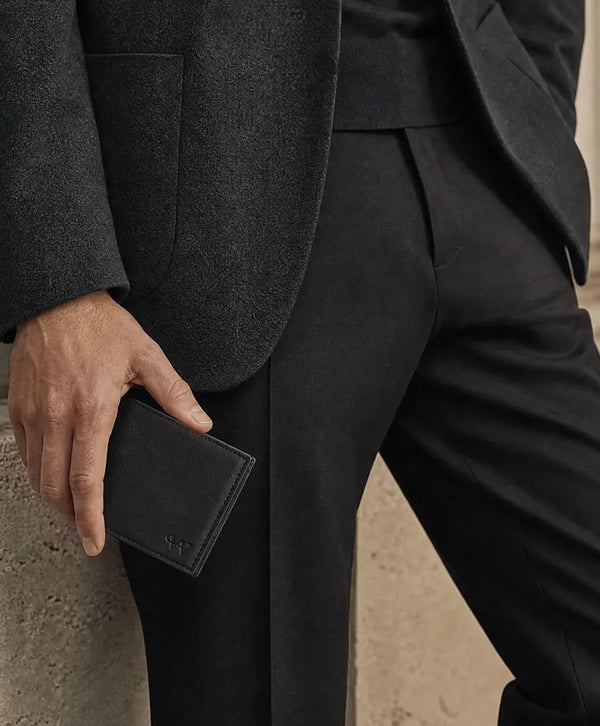
You handle a wallet more than almost anything else you own. You pull it out, tap, and slide it back into a pocket. The routine drives its patina.
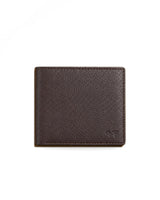
The first weeks bring little change. The leather feels firm, and the colour looks even. Then the edges and the fold start to darken. Your thumb wears a soft patch near the card slots. Heat from a back pocket shapes the leather to fit you. A packed wallet ages faster along the fold, where the leather stretches around your cards.
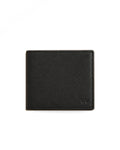
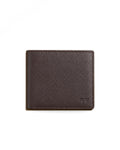
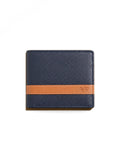
After a year, the wallet looks like yours. The colour runs deeper and more even. Light scratches blend into the surface. On a bifold like The Outrider, with its nine card slots, the fold takes a curve shaped by your own cards and habits.
How A Laptop Bag Changes Over Time
Bags age in patches. You carry more weight, in more places, so wear lands unevenly.
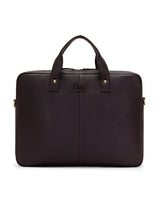
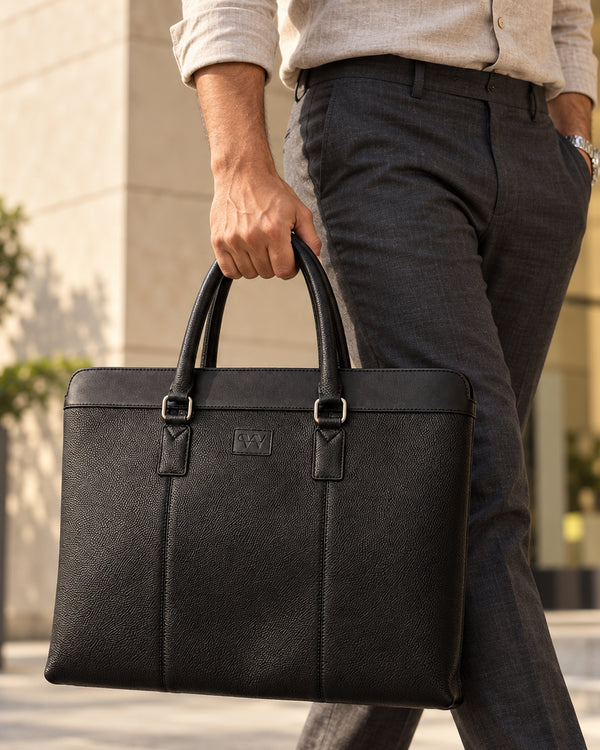
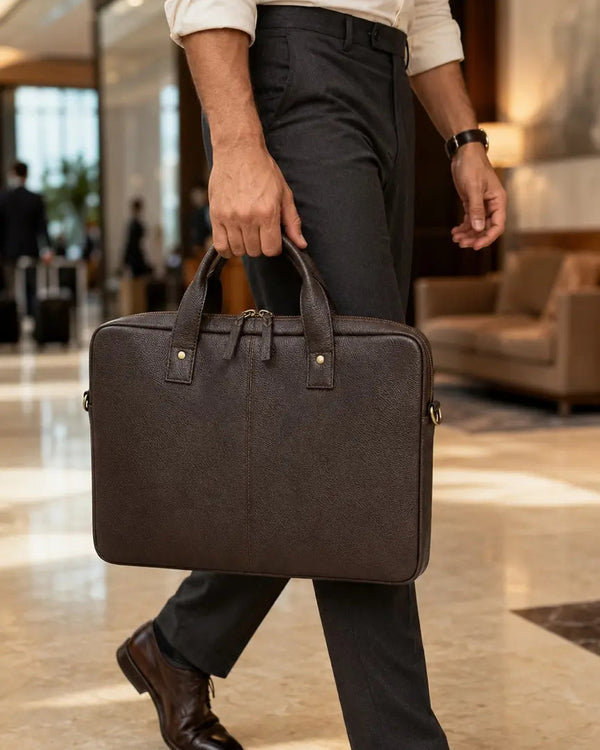
The strap and carry points darken first, because your hands and shoulder touch them daily. The corners and base scuff against desks and car boots. The flap softens where you open it again and again. Weight shapes a bag too. A laptop and a charger stretch the leather at the base and the strap, and the creases at those points darken early.
Sunlight adds to the pattern. A bag left on a back seat changes colour faster on the side facing the window. Monsoon rain is the other test. Blot a wet bag with a dry cloth and let it dry at room temperature. Light water marks often fade as the leather settles.
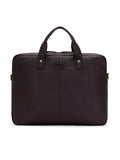
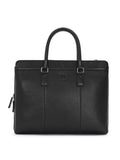
Early patina on a bag often looks patchy. It is normal. Use to even it out. A bag like The Wayfarer, carried to work each day, usually settles into an even, deep tone on the body after a year or two. The strap stays a shade darker.
Colour And Finish Change What You See
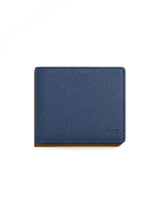
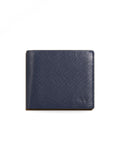
Brown and tan leather show patina the most. The colour deepens, and the grain lines stand out. Black shows it least. You see a soft sheen and some edge wear instead of a colour shift. Navy and Mole fall between the two.
Finish matters too. Pebbled leather hides small marks. Crazy Horse leather develops a visible pull-up effect, which shows as colour shifts where the leather bends.
Is Leather Patina Bad?
No, patina is not damage; it is actually the best part of owning real leather.
For some, patina feels like a defect, and full-grain leather is the wrong choice because it will change.
The early weeks test this expectation. A dark thumbprint on a new tan wallet looks like a stain. Give it a few weeks. Skin oils spread, and the mark usually blends into the surrounding leather.
For everyone else, patina is the payoff. The piece looks better with age and fits your habits.
How To Tell If Leather Will Patina Before You Buy
Look at the surface first. Full-grain leather shows small natural variations such as pores and faint scars. Corrected leather looks uniform because the top layer is sanded away and a printed grain goes on top. A flawless surface usually points to correction.
Then read the description. "Genuine leather" names a material, not a grade. Look for the words full grain. Wildebeast describes its range as Full Grain European Leather, the top layer of the hide with nothing sanded or corrected away.
Simple Care Keeps Patina Healthy
Clean, lightly conditioned leather ages best.
- Wipe dust and grime with a dry or slightly damp cloth
- Dry wet leather at room temperature, away from heaters
- Condition sparingly when the surface feels dry
- Keep it out of long direct sun
- Store it in a cloth bag, not sealed plastic
Our guide on how to clean a leather wallet walks through the steps.
FAQs
1. What causes leather patina?
Four things drive it: touch, light, friction and moisture. Skin oils darken leather where you hold it. Sunlight shifts the colour. Rubbing against pockets and desks polishes the surface. Moisture from sweat or rain darkens it in patches. The more of these a piece meets, the faster it changes.
2. How long does it take for leather to patina?
Expect visible change on a wallet within a few weeks of daily use, and a rich, even tone after one to two years. A bag takes longer, since you touch less of its surface each day. Heat, sun and frequent handling speed things up. A wallet in your back pocket moves faster than a bag stored in a cupboard. Use sets the pace, not the calendar.
3. Can you speed up leather patina artificially?
Yes, but most shortcuts cost more than they gain. Direct sun and hair dryers dry the leather and risk cracks. Soaking leaves water marks. Thick coats of oil darken it in blotches and soften the hide too much. The safe route is plain use. Carry it daily and condition it lightly when it feels dry.
4. Is patina on leather good?
For full-grain leather, yes. The tone gets richer, the surface softens, and light scratches blend in. Your wallet ends up looking like nobody else's. The trade is a patchy stretch in the first months, before the colour evens out. If a mark bothers you, a dry cloth and light conditioning usually settle it.
5. Do all types of leather develop a patina?
No. Full grain leather develops the most, since its top layer stays intact. Top grain develops less because the surface is lightly sanded. Corrected and split leather barely changes, and PU never does. Heavy surface coatings slow patina in any hide. Suede and nubuck change in another way. Rubbing flattens the nap and leaves darker, shinier patches.
6. What is the difference between patina and damage?
Patina is a surface change. The leather stays smooth, flexible and whole. Damage changes the structure. Look for cracks, peeling, flaking, deep cuts, hard dry patches, mould and loose stitching. Run a finger over the area. A smooth feel means patina. A catch or a flake means damage. Unsure? Contact Wildebeast. The guarantee runs two years, and repair support lasts for life.
Take A Photo Of Your Wallet Today
Photograph your wallet and your bag now. Check the same spots in six months, then again in a year. Your own wallet will teach you more than this post does.
If you are still choosing, browse Wildebeast wallets and laptop bags. Each piece is handmade in India from full-grain European Leather.